Heritage & Listed Building Painting in Edith Grove & Beaufort Street, Chelsea
Expert heritage & listed building painting for homes and properties in Edith Grove & Beaufort Street, Chelsea SW10. Conservation area specialists with deep local knowledge.
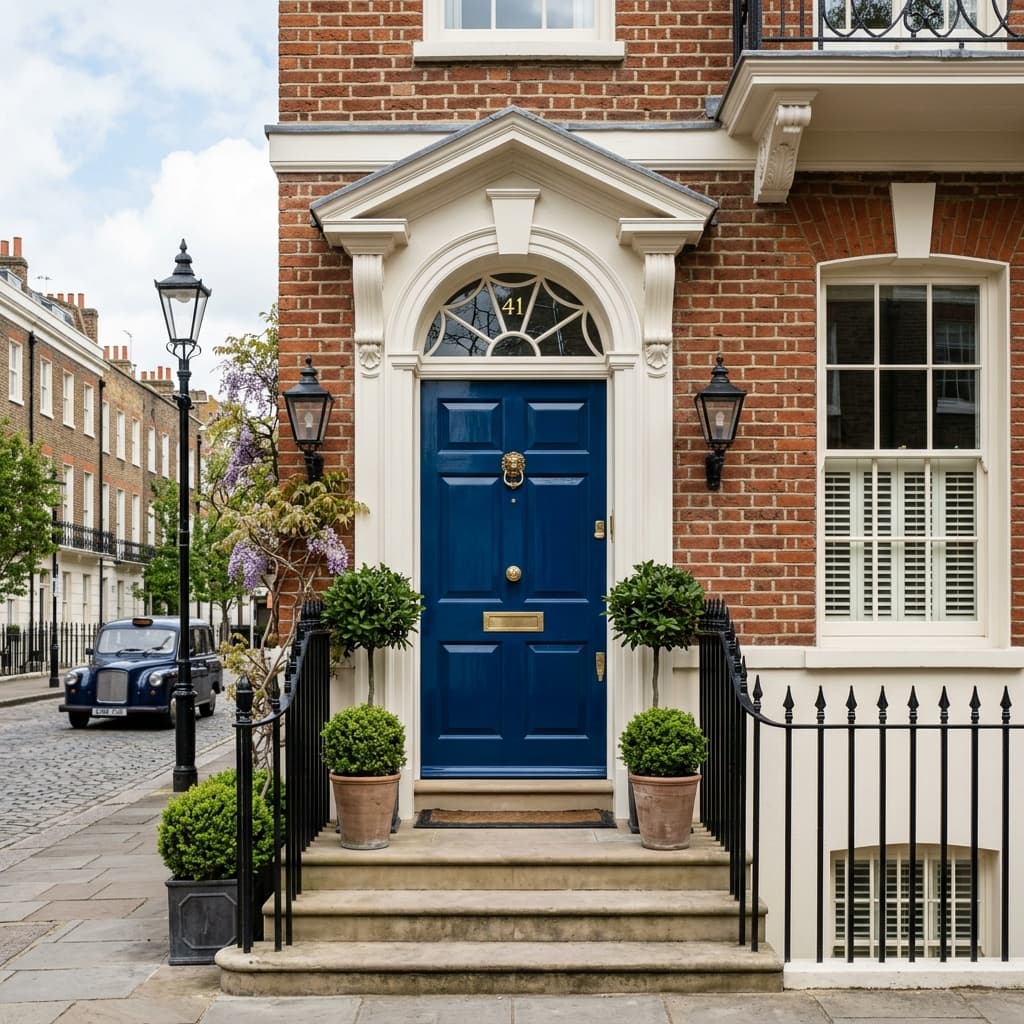
Heritage & Listed Building Painting in Edith Grove & Beaufort Street
Edith Grove's late-Victorian terraces were built during the 1870s and 1880s—a period of exuberant decorative taste when even middle-class homes featured ornamental plasterwork, dado rails, picture rails, and elaborate chimney-piece surrounds. Heritage painting along Edith Grove focuses on restoring these features to their original prominence after decades of being buried under layers of magnolia emulsion. Many houses here retain original ceiling roses with acanthus-leaf detail, deep egg-and-dart cornices, and panelled timber shutters that fold neatly into window reveals. Our heritage painters strip these elements back to their original profile, repair any damage with matching materials, and refinish using period-appropriate paints that bring out the full depth of the decorative carving. The result transforms a room from bland and featureless to rich and characterful—revealing the craftsmanship that the original Victorian builders provided as standard even in these everyday terraced houses.
Property Considerations in Edith Grove & Beaufort Street
Edith Grove's 1870s-80s interiors often feature mass-produced decorative plasterwork—Carton Pierre or fibrous plaster—that is fragile and easily damaged by aggressive stripping. Gentle chemical methods are essential. Original timber shutters should be repaired rather than replaced, and traditional oil-based paint is the appropriate finish.
Conservation & Planning Notes
Within the Chelsea Conservation Area. The Victorian streetscape character is maintained through conservation controls.
What's Included
- ✓Heritage property assessment and detailed paint specification
- ✓Listed building consent support and documentation where required
- ✓Period-appropriate paint systems (lime wash, lime-based, breathable modern paints)
- ✓Specialist preparation techniques that protect historic surfaces
- ✓Hand-finishing of all decorative features (cornicing, mouldings, plasterwork)
- ✓Coordination with conservation officers and estate managers
- ✓Photographic record of all work before, during, and after
- ✓Written specification for future maintenance and reordering
- ✓Heritage colour research and period-accurate colour matching
- ✓Guidance on ongoing maintenance to preserve heritage features
Heritage in Edith Grove — FAQ
Heritage & Listed Building Painting in Nearby Neighbourhoods
Other Services in Edith Grove & Beaufort Street
Related Services
Need Heritage in Edith Grove?
Get a free, no-obligation quote for heritage & listed building painting in Edith Grove & Beaufort Street, Chelsea. Same-day response guaranteed.