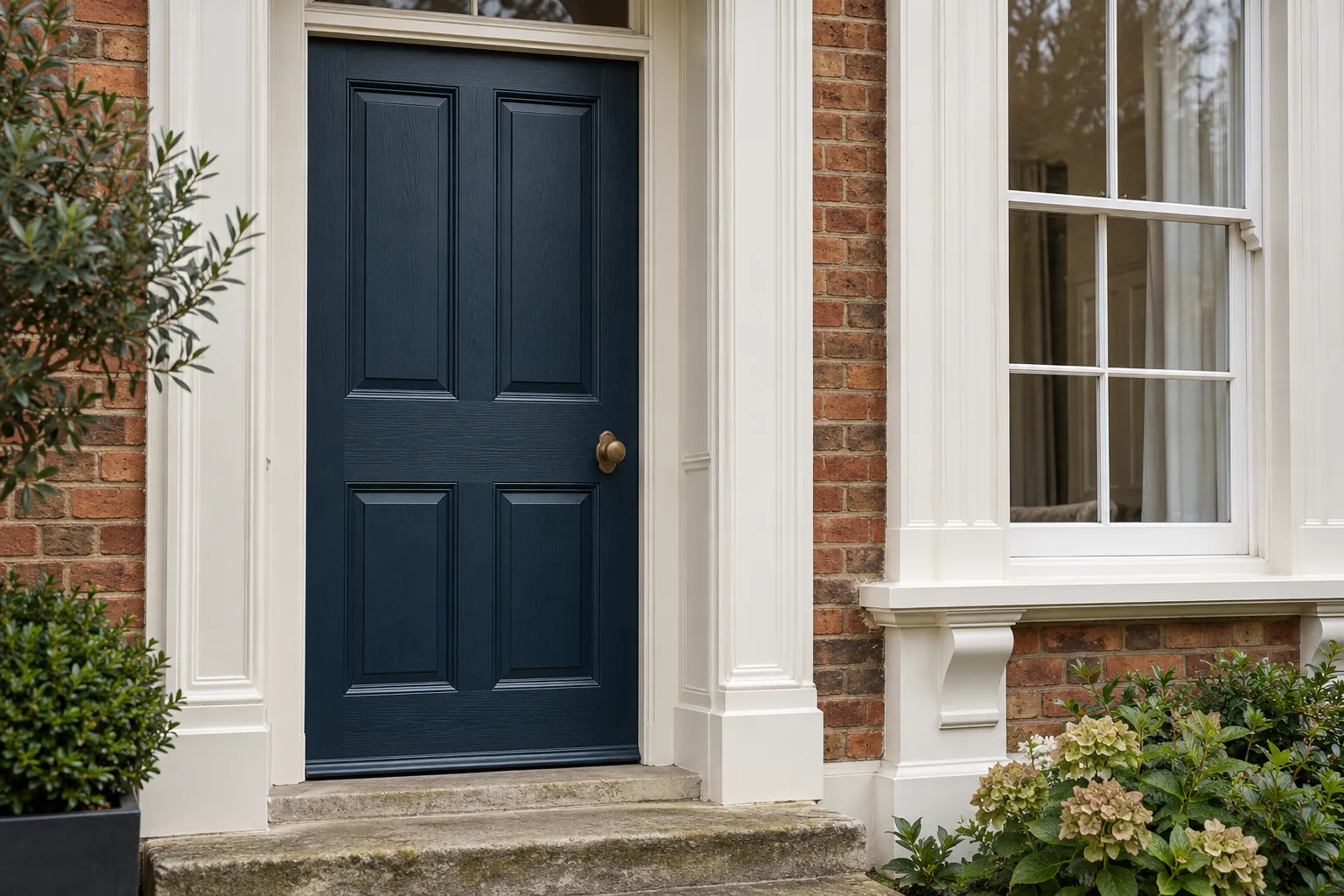
Original sash windows are a defining feature of Chelsea's period properties. Properly maintained, they can last indefinitely — many windows in Chelsea are over 150 years old and still functioning beautifully. Yet too often, homeowners are advised to replace them with modern alternatives when restoration would be the better choice on every measure: cost, character, conservation compliance, and environmental impact.
Why Restore Rather Than Replace?
**Conservation compliance:** In Chelsea's conservation areas, replacing original sash windows with modern alternatives typically requires planning consent, which is often refused. Restoration maintains compliance automatically.
**Character:** Original sash windows have proportions, glazing bar profiles, and glass characteristics that modern replacements cannot replicate. Even the best modern sash windows look different from originals.
**Cost:** Full sash window restoration typically costs 40-60% less than quality replacement with heritage-style alternatives.
**Environmental:** Restoration reuses existing materials rather than sending them to landfill and manufacturing new ones.
The Restoration Process
Assessment Each window is individually assessed for timber condition, paint adhesion, glass integrity, operation, and security. This determines the level of intervention needed — from simple redecoration to full overhaul.
Paint Stripping Where existing paint has failed, built up excessively, or contains lead, it must be removed. We use a combination of methods depending on the situation: infrared heat systems, chemical strippers, and careful hand scraping. Aggressive methods like blow torches are never used on sash windows due to fire risk and glass damage.
Timber Repair Decayed timber is either consolidated using specialist epoxy systems or spliced with new matching timber. The goal is always to repair rather than replace, preserving as much original fabric as possible.
Glazing Original glass is retained wherever possible — the slight imperfections of historic glass are part of the window's character. Failed putty is carefully removed and replaced with linseed oil putty, correctly bedded and pointed.
Painting Bare timber is primed with appropriate primer, followed by undercoat and top coat. For external faces, we use flexible exterior paint systems that accommodate timber movement. For internal faces, satinwood or eggshell provides a durable, attractive finish.
Draught-Proofing Modern brush-pile or compression draught strips can be fitted into the sash channels, dramatically improving thermal performance without affecting the window's appearance or operation. This is one of the most cost-effective energy improvements you can make to a period property.
Maintenance Schedule
Once restored, sash windows need periodic attention: - **Annual:** Visual inspection, clean channels, lubricate pulleys - **Every 3-5 years:** Touch up paint on exposed areas - **Every 8-12 years:** Full repaint exterior faces - **As needed:** Replace sash cords, adjust for seasonal movement